
Warsaw. The place where your dreams run true.
Every year since 1979
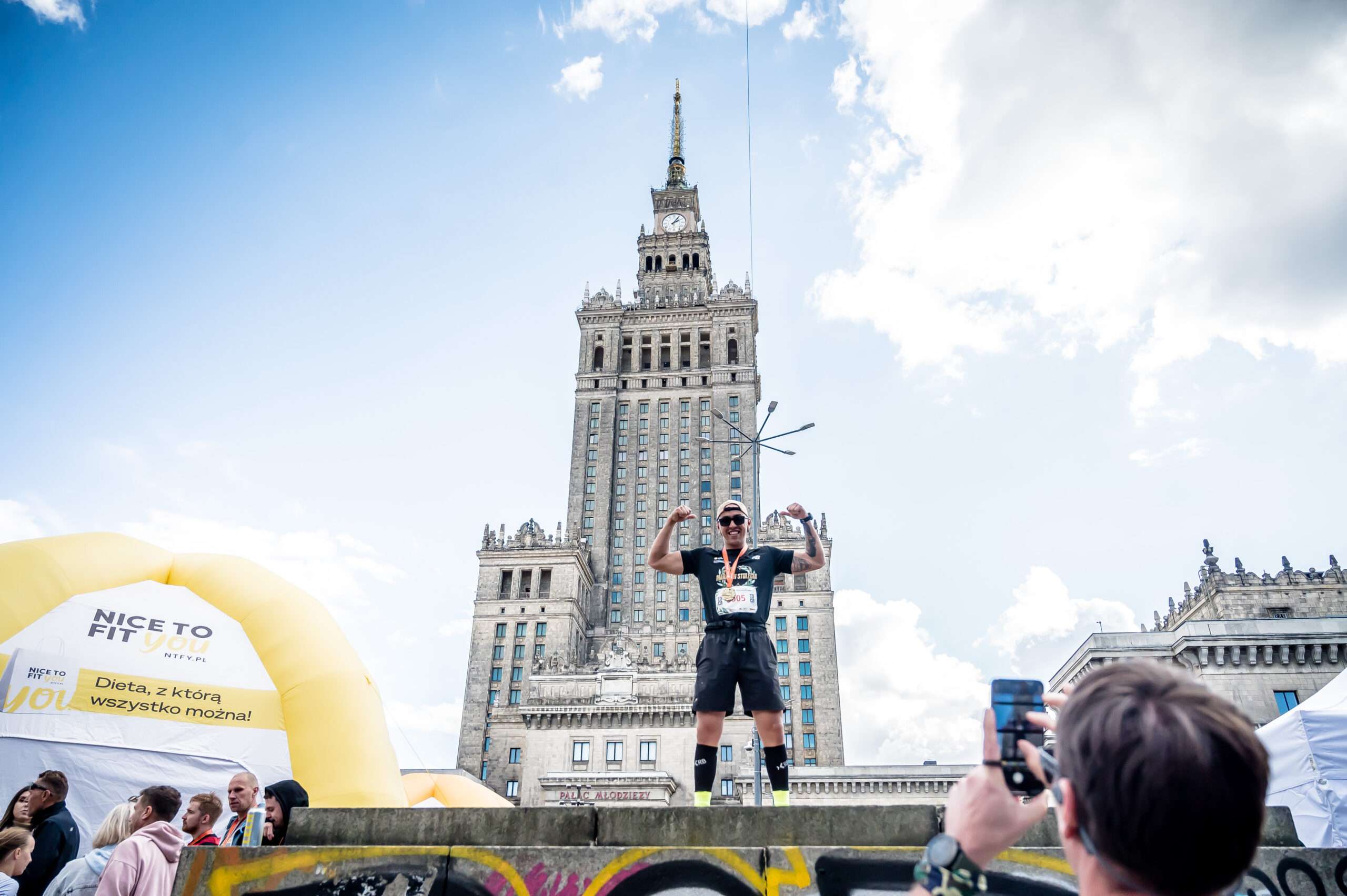
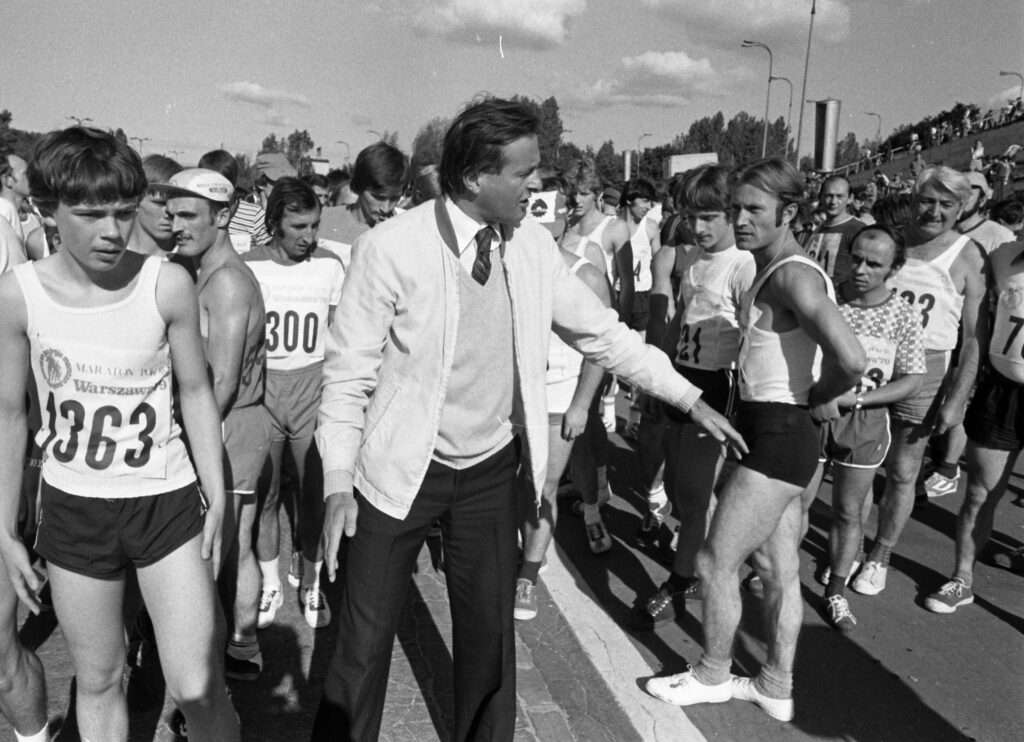
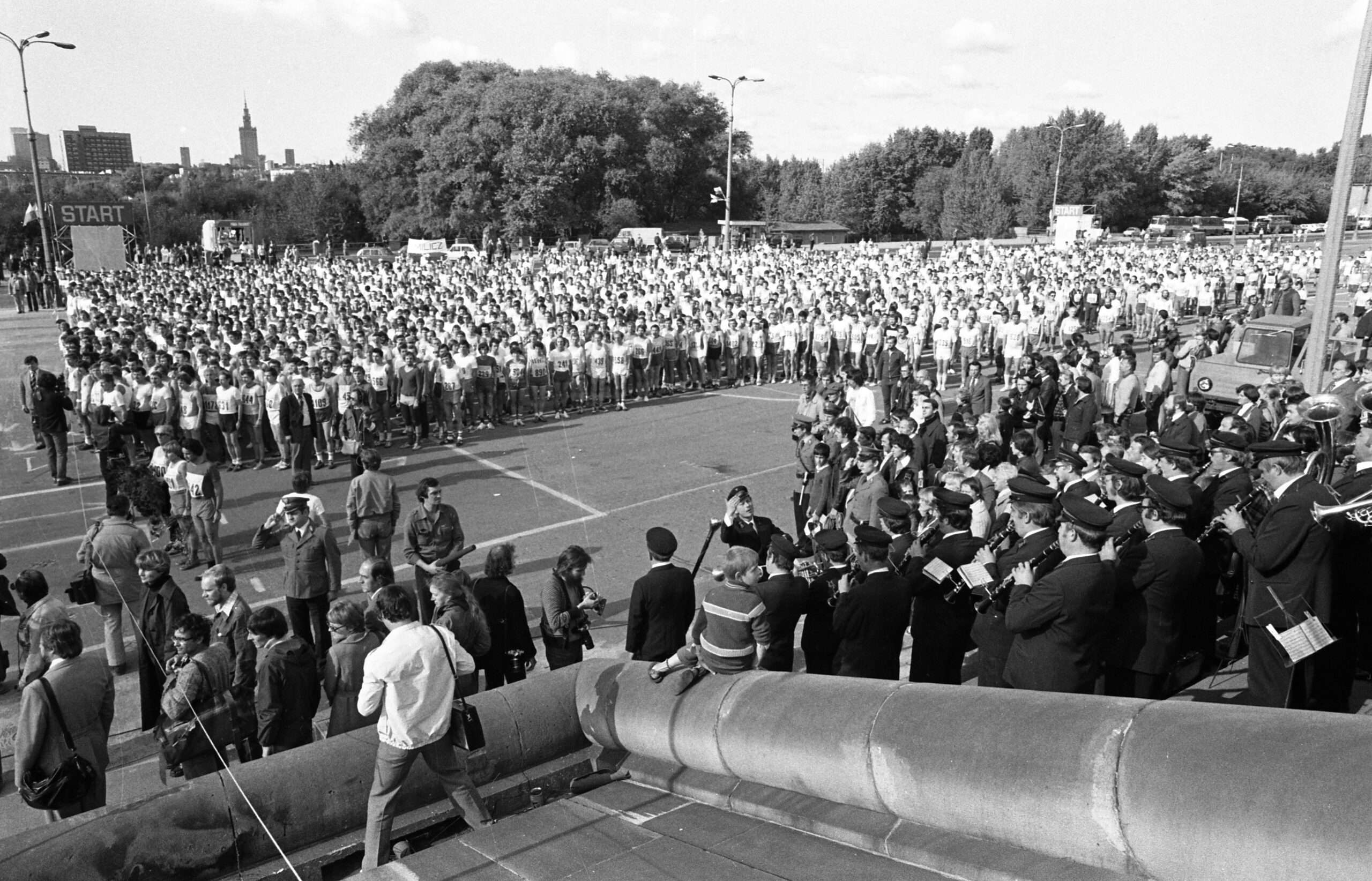
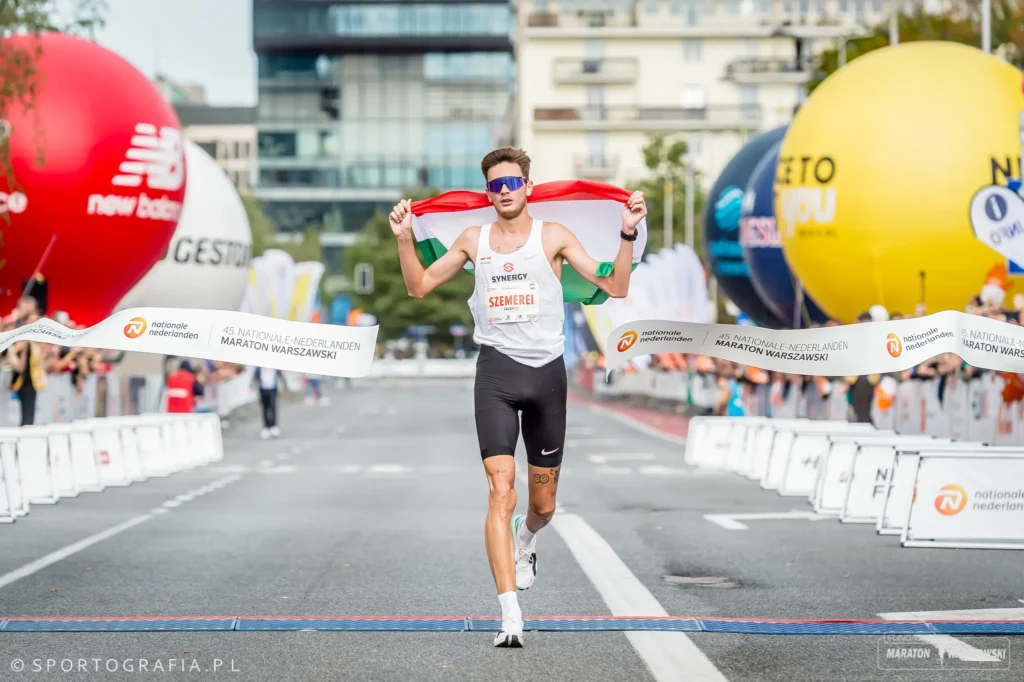
The Warsaw Marathon is one of the oldest marathons in Europe and certainly one of the few that has been held continuously for nearly fifty years. It is also the largest marathon in Central Europe. It all began in 1979, when more than two thousand runners set off on the route of the first Peace Marathon in the capital – an unprecedented event not only in Eastern Europe at the time, but on the continent as a whole. Since then, year after year, hundreds and later thousands of runners have been writing the history of Poland’s most important road race.
Back then, it was the second-largest marathon in Europe, surpassed only by Paris. The race continued even during periods of profound political transformation that pushed the country into one of the most difficult chapters of its history. During martial law, when uncertainty and restrictions shaped everyday life, the organizers showed extraordinary determination and passion. They managed to convince the socialist authorities that the race posed no threat, allowing the marathon to go on against all odds.
An incredible history is unfolding before your eyes
The Warsaw Marathon entered the 21st century modestly, but quickly began to gain strength. With the establishment of the Warsaw Marathon Foundation, it embarked on a triumphant rise to the European stage. Breaking participation records, raising sporting standards, and introducing continuous organisational innovations all helped cement its position as the number one marathon in Poland.
Even the COVID pandemic did not break this continuity. The event was held in line with strict safety guidelines and under rigorous sanitary rules, demanding enormous logistical effort. Runners were divided into four waves of 250 participants, a format that stretched the race across 36 hours, including nighttime hours. As a result, the Warsaw Marathon became one of the largest marathons in the world in 2020 and one of the very few that could proudly claim an unbroken tradition of organization.
These days
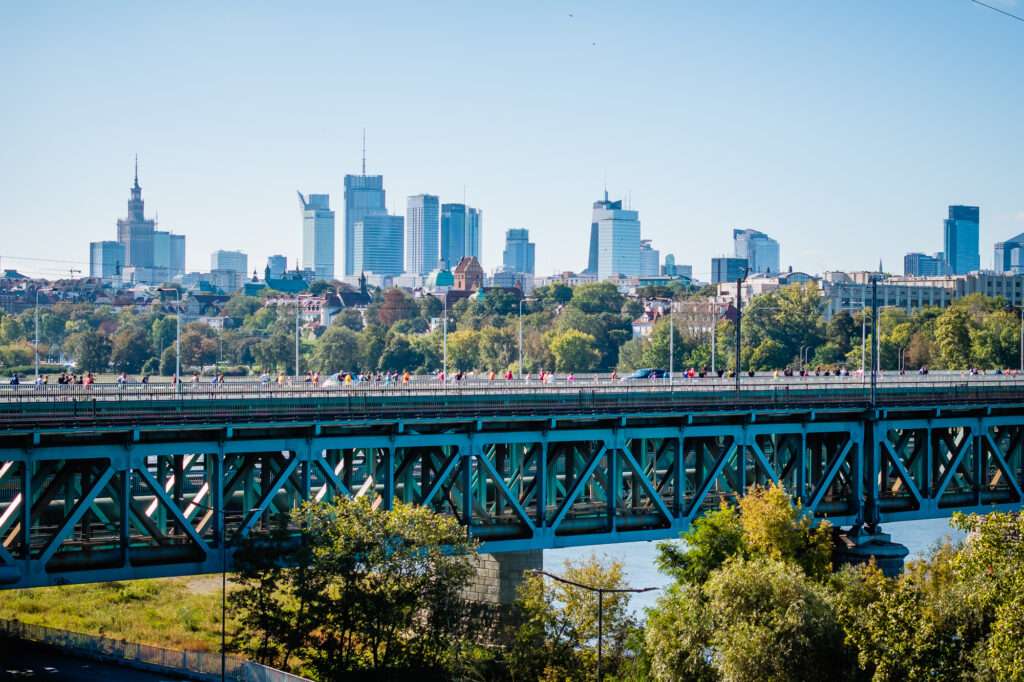
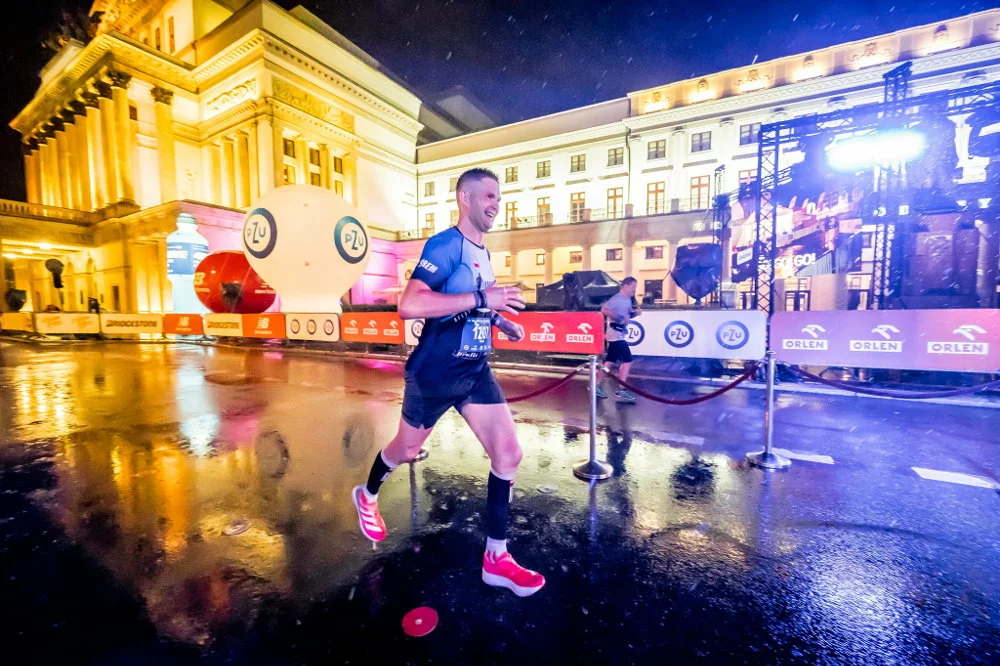
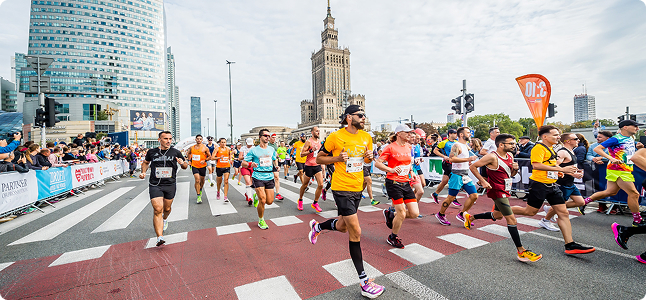
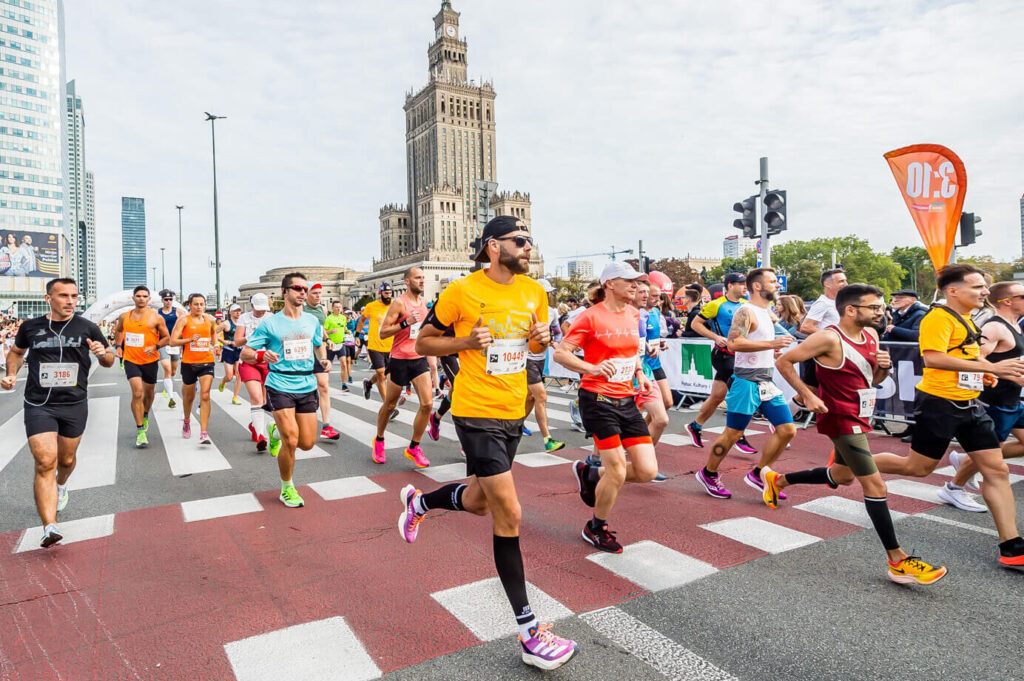
The course takes runners through the most iconic landmarks of Warsaw – starting at the Palace of Culture, crossing the Poniatowski Bridge, running along the Praga side of the Vistula River, past the National Stadium, across the Gdański Bridge, and through Wola, Bemowo, Bielany, and Żoliborz. In the final kilometres, the route leads participants into the very heart of the capital: along Krakowskie Przedmieście and onto the long finishing stretch on Świętokrzyska Street. The Warsaw Marathon is not only a sporting challenge but also a unique journey through a city where tradition meets modernity.
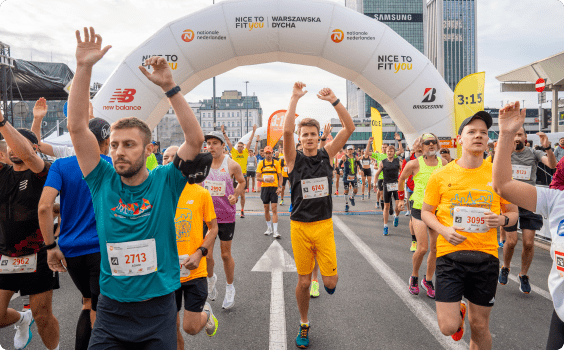
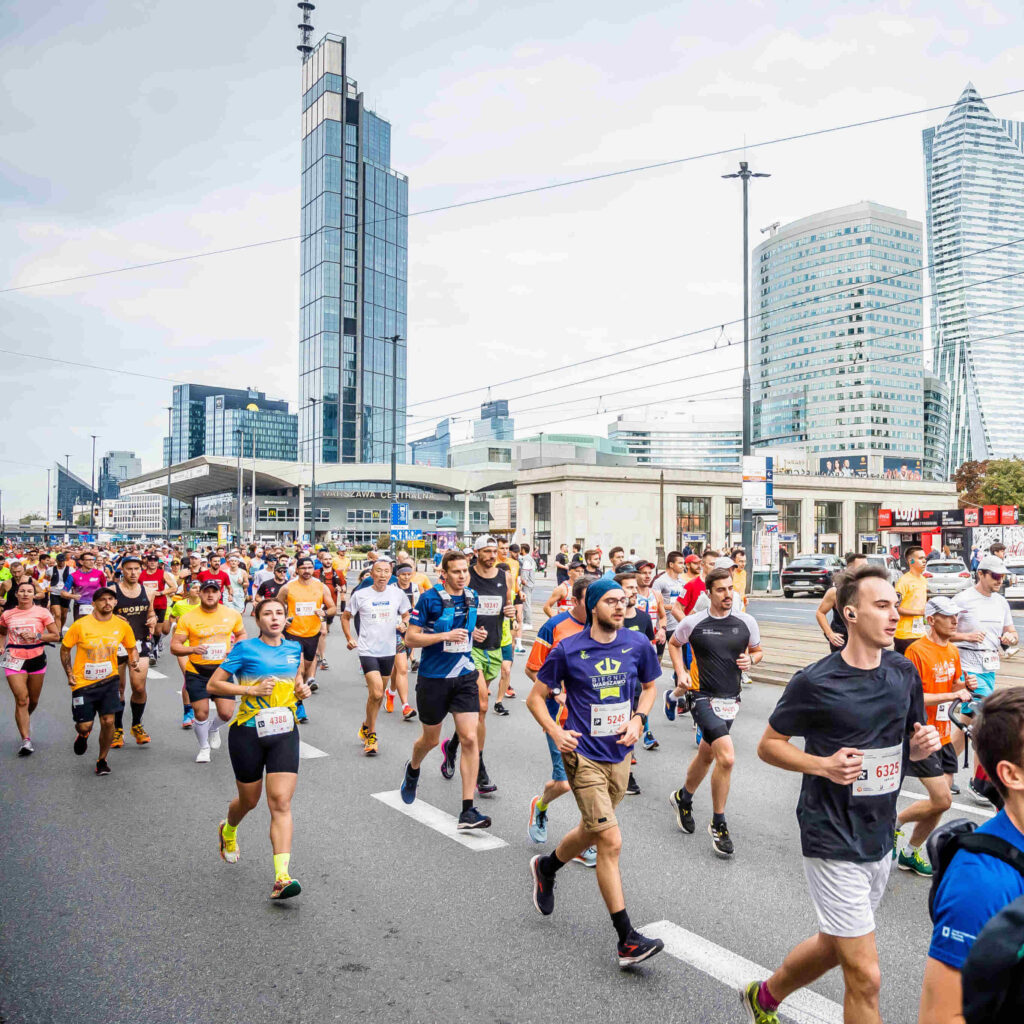
Today, the event attracts thousands of participants from around the world and has become a true celebration of running. It is accompanied by shorter-distance races, the support of thousands of volunteers, and charitable initiatives that provide aid to hundreds of people and organizations.
These days
The course takes runners through the most iconic landmarks of Warsaw – starting at the Palace of Culture, crossing the Poniatowski Bridge, running along the Praga side of the Vistula River, past the National Stadium, across the Gdański Bridge, and through Wola, Bemowo, Bielany, and Żoliborz. In the final kilometres, the route leads participants into the very heart of the capital: along Krakowskie Przedmieście and onto the long finishing stretch on Świętokrzyska Street. The Warsaw Marathon is not only a sporting challenge but also a unique journey through a city where tradition meets modernity.
Today, the event attracts thousands of participants from around the world and has become a true celebration of running. It is accompanied by shorter-distance races, the support of thousands of volunteers, and charitable initiatives that provide aid to hundreds of people and organizations.
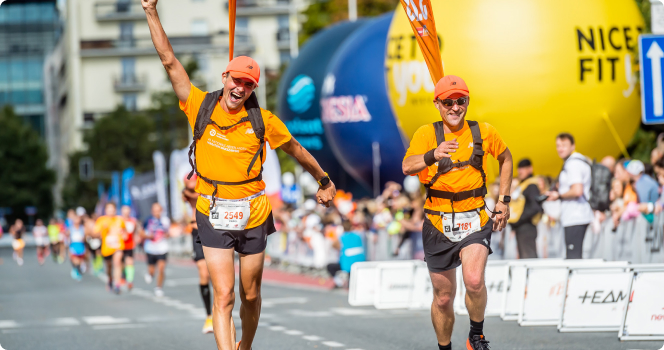
Warsaw. Your dreams run true.
The Warsaw Marathon is the story of a city, the story of Polish running, and the story of people who believe that sport has the power to change the world, both on an individual and a collective level.
Museums
Discover Warsaw through its most important museums and cultural institutions. This section highlights key places that present the city’s history and art.
POLIN Museum of the History of Polish Jews
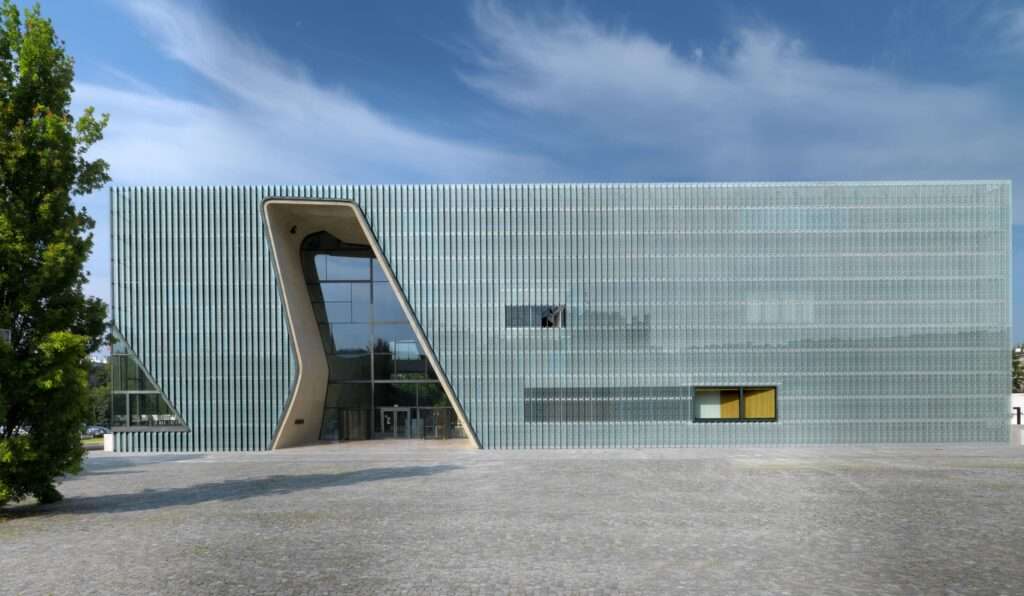
The POLIN Museum of the History of Polish Jews is one of Warsaw’s most significant cultural institutions. It presents over one thousand years of Jewish history in Poland, from the Middle Ages to the present day. The permanent exhibition follows a chronological structure and combines historical artifacts, documents, and multimedia installations.
The museum is located in the Muranów district on the site of the former Warsaw Ghetto. The building itself is an important example of contemporary architecture and symbolism. A visit to POLIN provides essential context for understanding Warsaw’s multicultural past and the impact of World War II on the city.
National Museum in Warsaw
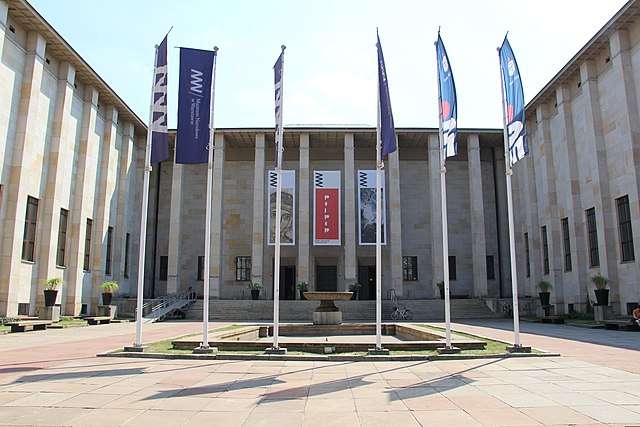
The National Museum in Warsaw houses one of the most extensive art collections in Poland. Its permanent exhibitions include ancient art, medieval works, Polish painting, and modern European art.
The museum plays a central role in preserving and presenting Poland’s artistic heritage. Its location near the city centre makes it an accessible and important cultural destination.
Neon Museum
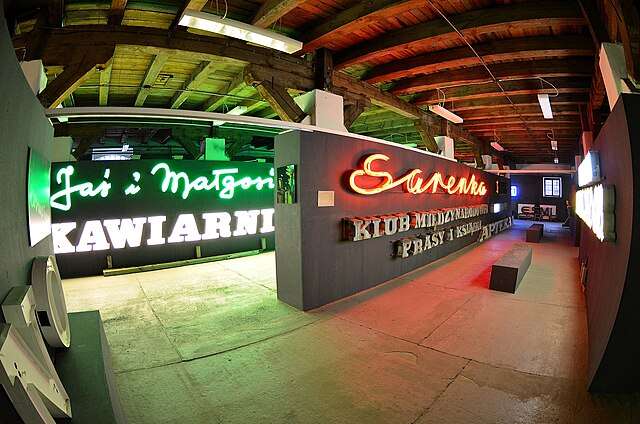
The Neon Museum is dedicated to preserving Cold War–era neon signs from across Poland. Its collection focuses on graphic design, typography, and urban visual culture from the post-war period.
Located in the Praga district, the museum offers insight into everyday life and aesthetics in socialist-era Poland. It is a compact but distinctive cultural attraction.
Warsaw Uprising Museum
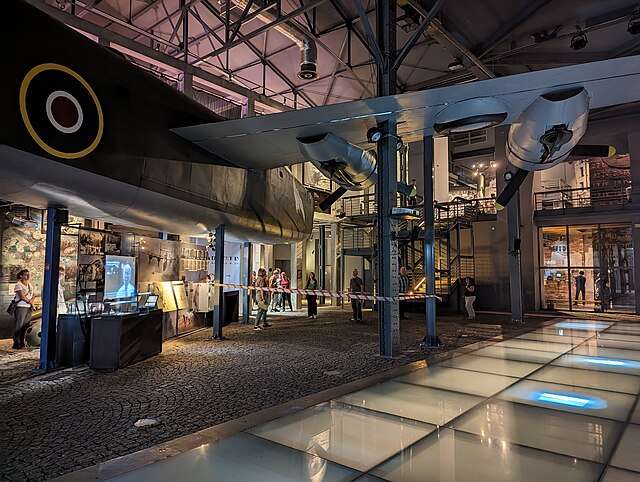
The Warsaw Uprising Museum is one of the most important historical museums in Poland. It is dedicated to the 1944 uprising and the experiences of the city’s residents during World War II.
The exhibitions combine documents, photographs, and multimedia installations. The museum offers essential context for understanding Warsaw’s modern history and the impact of the war on the city.
Wilanów Palace
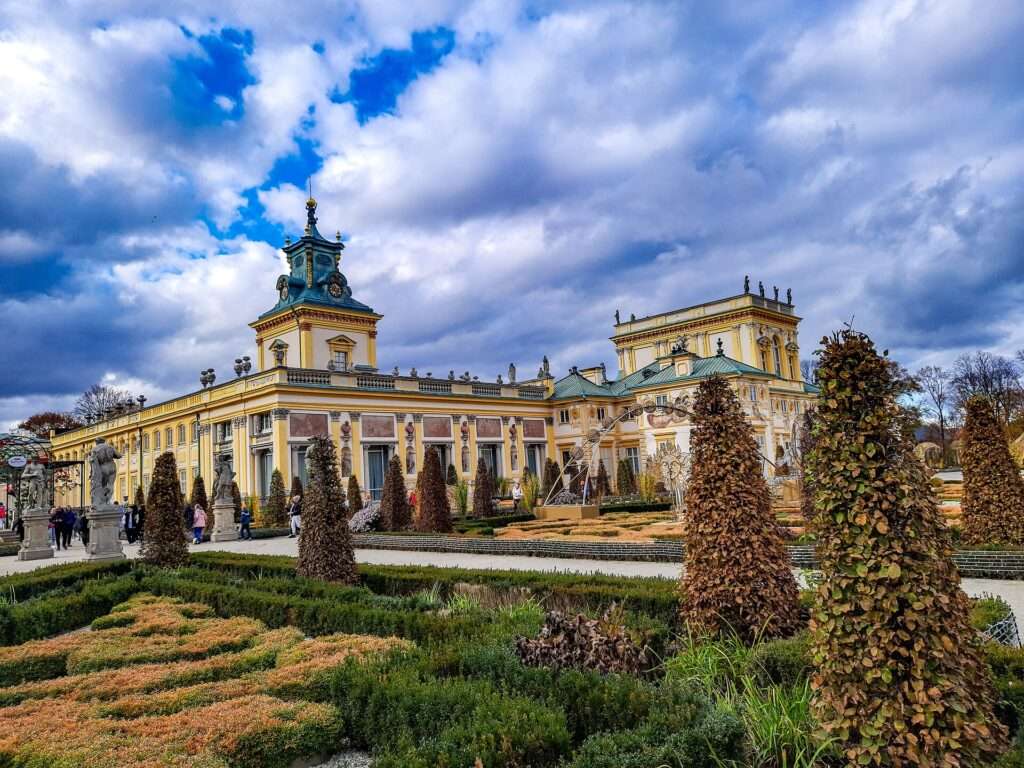
Wilanów Palace is a baroque royal residence situated in the southern part of Warsaw. Built in the late 17th century, it served as the residence of King John III Sobieski and later as a private palace for aristocratic families. Unlike much of Warsaw, the palace survived World War II largely intact.
The interiors showcase richly decorated rooms, artworks, and historical furnishings, while the surrounding gardens combine formal baroque design with landscaped park areas. Wilanów Palace offers a clear insight into royal life and court culture in Poland and remains one of the most complete historical complexes in the city.
Find more intresting places right here.
Architecture and entertainment
Explore Warsaw through its architecture and everyday urban spaces. This section highlights iconic buildings, public areas, and revitalized sites that shape the city’s visual identity.
Copernicus Science Centre
The Copernicus Science Centre is one of the largest and most modern science museums in Europe. It focuses on interactive exhibitions that encourage visitors to explore scientific principles through direct experience rather than observation alone. The exhibitions cover topics such as physics, biology, astronomy, and technology.
The centre also includes a planetarium, educational laboratories, and event spaces. It represents Warsaw’s contemporary, innovation-driven identity and is particularly popular with families, students, and visitors interested in science and modern learning environments.
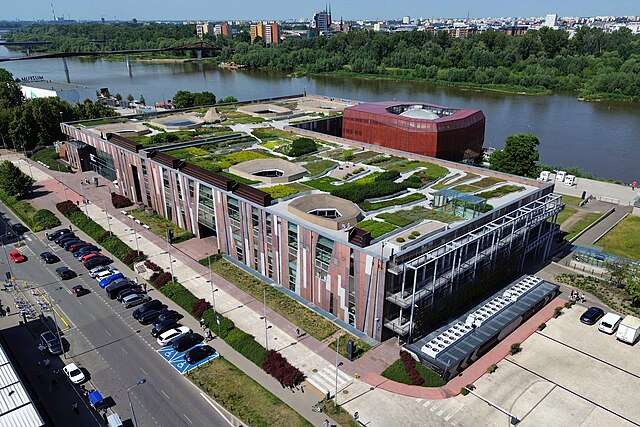
Warsaw University Library Gardens
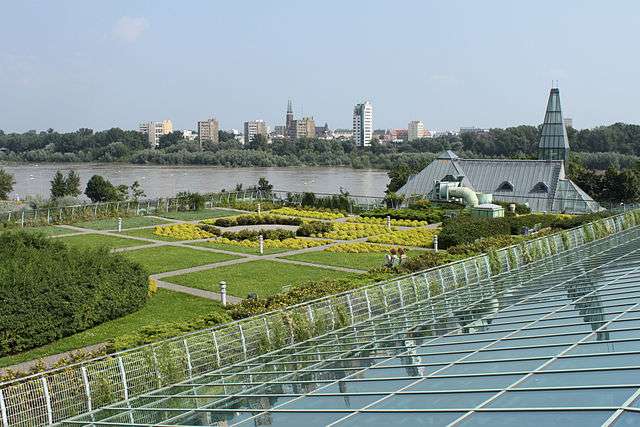
The rooftop gardens of the Warsaw University Library are among the largest rooftop gardens in Europe and are open to the public throughout much of the year. The garden is divided into upper and lower sections, featuring walking paths, water elements, and varied plant species.
In addition to its greenery, the gardens offer views of the Vistula River and the surrounding city. The combination of modern architecture and landscaped space makes this location a distinctive example of contemporary urban design in Warsaw.
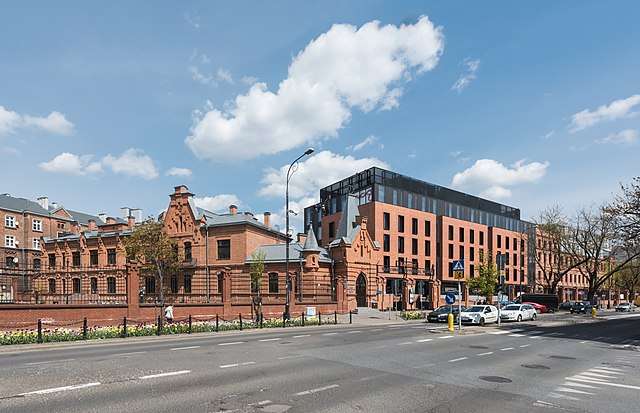
Koneser Praga Centre
Koneser Praga Centre is a former industrial complex that has been transformed into a cultural and commercial hub. The old industrial factory now hosts museums, restaurants.
The preserved brick architecture reflects Warsaw’s industrial past, while its current functions highlight modern approaches to urban revitalization and leisure.
Find more intresting places right here.
Traditional polish food you have to try!
Run Warsaw like a local and try most famous Polish dishes. This section highlights traditional Polish meals that are widely available in Warsaw and commonly eaten by locals. It focuses on simple, recognizable meals served in everyday restaurants and casual eateries.
Pierogi
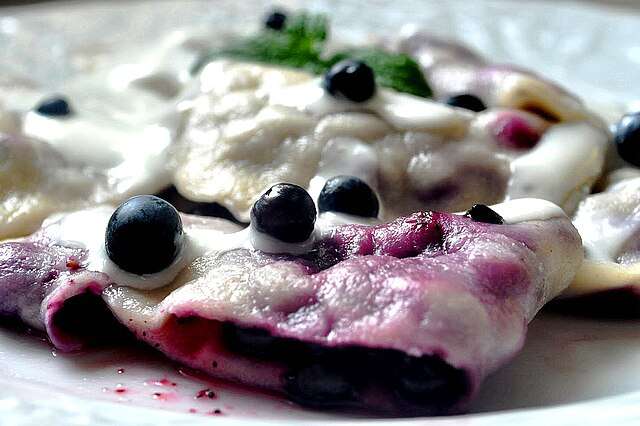
Pierogi are one of the most common and recognizable Polish dishes. They are made from thin dough and filled with ingredients such as potato and cheese, meat, or seasonal vegetables and mushrooms.
They are usually served boiled or lightly pan-fried and are filling enough for a main meal. In Warsaw, many restaurants prepare them fresh on site, which makes a noticeable difference in taste and texture
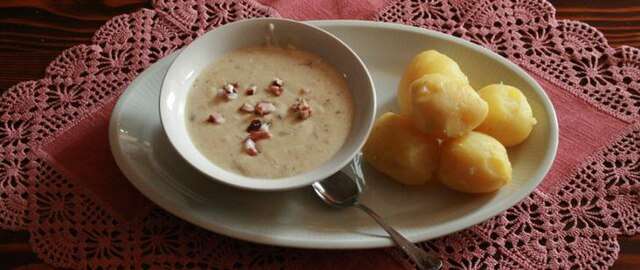
Żurek
Żurek is a traditional Polish soup made from fermented rye flour. It is typically served with white sausage, a boiled egg, and sometimes potatoes.
The soup has a distinct sour flavor and is commonly eaten as a main course. It is widely available in Warsaw and often appears on menus as a regional specialty.
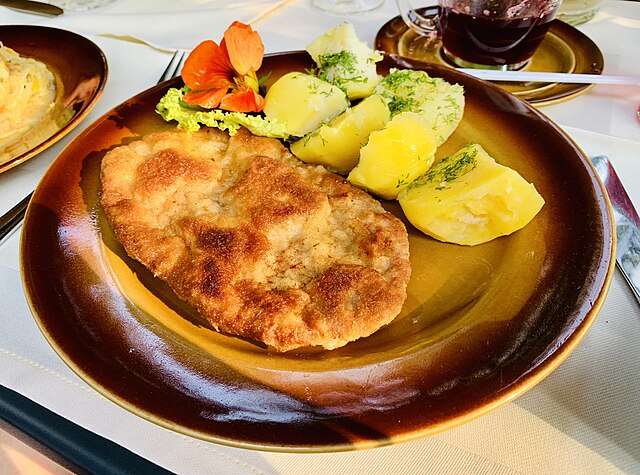
Rosół and Pork Cutlet “Schabowy“
A traditional Polish lunch often begins with soup, and milk bars are one of the best places to experience this in an authentic setting. Rosół is a clear chicken broth served with thin noodles. Schabowy is a breaded pork cutlet served with potatoes and cucumber salad. It is one of the most popular everyday dishes in Poland.
The dish is simple and substantial. It is commonly served in traditional restaurants and milk bars throughout the city.
What is milk bar? It’s a bar where You can have affordable meals. Nothing fancy, but just everyday Polish food. Eating in this type of venue offers insight into everyday Polish food culture and long-standing culinary traditions.
Pączek (polish sweet treat)
Pączek is a deep-fried doughnut filled with jam or custard and topped with powdered sugar or icing.
It is widely available in bakeries and cafés across Warsaw and is typically eaten as a snack or dessert

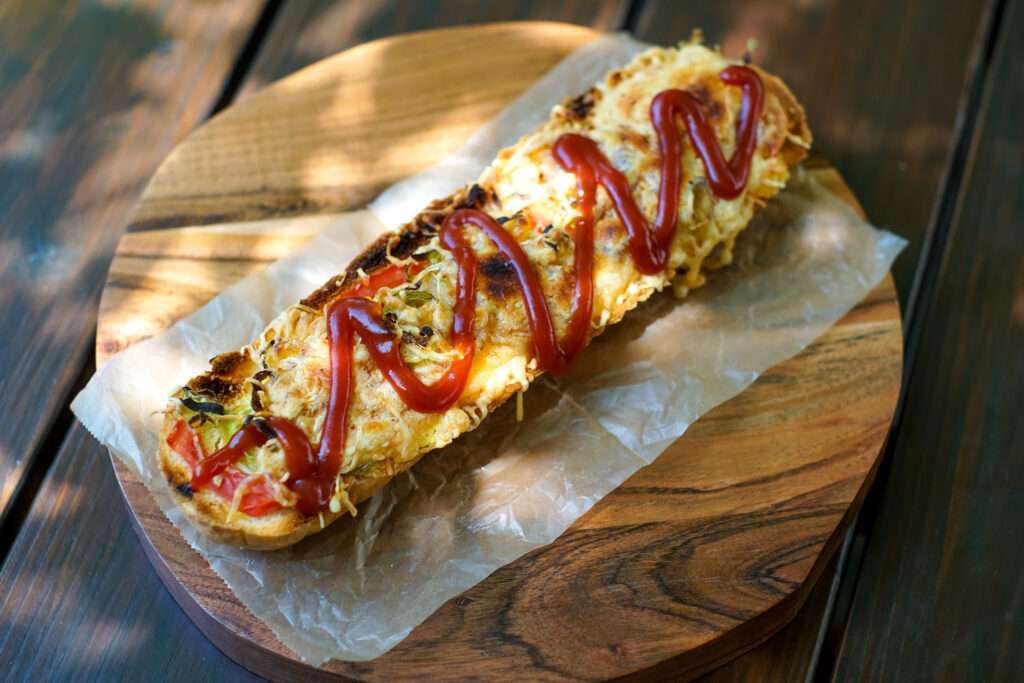
Zapiekanka (polish fast food)
Zapiekanka is a baked baguette topped with mushrooms, cheese, and optional additional ingredients.
It is a popular street food and can be found in food stands and casual eateries throughout the city.
Places worth running in Warsaw
Run Warsaw like a local and explore the city through its most iconic streets, parks, and riverside paths. This section is your guide to the must-see places that combine great running routes with unforgettable sights, perfect for a weekend stay.
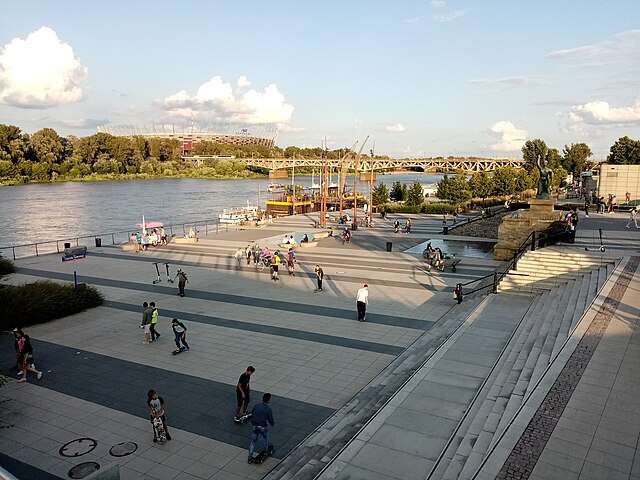
Vistula Boulevards (Bulwary Wiślane)
The Vistula Boulevards are an absolute must for any runner visiting Warsaw. This long, flat stretch along the river is where the city breathes. You get wide paths and uninterrupted views of the skyline on one side and the river on the other. Early mornings are calm and almost meditative, while evenings feel social and alive, with locals walking, cycling, and chilling by the water.
What makes this place special is how naturally it blends running with sightseeing. You pass modern architecture, old bridges, and iconic landmarks without even realizing you’re ticking off tourist highlights. It’s perfect for an easy shake-out run, a long aerobic session, or just cruising at sunset when the light hits the river just right.
Łazienki Royal Park
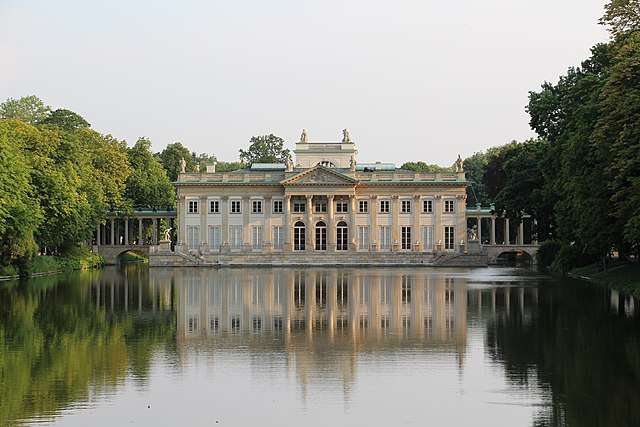
You’re moving through a historic royal garden filled with palaces, ponds, and perfectly kept greenery. The paths are soft and ideal if your legs want a break from asphalt. It’s quiet, clean, and has that “slow down and enjoy the moment” energy.
You can stop mid-run and suddenly find yourself in front of the Palace on the Isle or surrounded by peacocks just casually roaming around.
Praga District: the East Bank of the Vistula and Skaryszewski park
Praga is raw, authentic, and totally different from the polished city center. Running on the east side of the Vistula, especially along the more natural river paths, gives you a wild, almost trail-like experience right inside a capital city. Dirt paths, sand sections, and greenery make it feel surprisingly untamed.
Touristically, Praga hits hard if you want something real. Old factories, street art, and a strong local identity give this area serious character. It’s the perfect contrast to the royal parks and historic streets, and it shows Warsaw’s tougher, creative side that many tourists miss.
Skaryszewski Park, one of Warsaw’s largest parks, is literally a kilometre from the Vistula River paths, right next to a chocolate factory. The smell of a fresh bar of chocolate right after a run? Sounds good.